What this is not
Counterculture nostalgia
No trippy aesthetic, no miracle language, no soft-focus wellness claims. Serious patients deserve better than a movement costume.
Physician-scientist | Psychiatric care | Psychedelic research
Dr. Stal Shrestha brings medical training, neuroscience research, and frontline clinical experience to one question: how can people with serious mental health conditions find a credible path forward?
This is not 1960s flower power. It is not a guru promise, a retreat fantasy, or a shortcut around diagnosis. The work is grounded in decades of medical research, with Dr. Shrestha contributing to the science and applying what research can teach in real clinical settings.
The line we draw
What this is not
No trippy aesthetic, no miracle language, no soft-focus wellness claims. Serious patients deserve better than a movement costume.
What it is
Psychedelic-related care belongs inside careful psychiatric assessment, risk review, legal settings, psychotherapy, and follow-up.
Why he is credible
Dr. Shrestha's publication record spans PET imaging, receptor biology, neuroinflammation, antidepressant development, and psychedelic treatment directions.
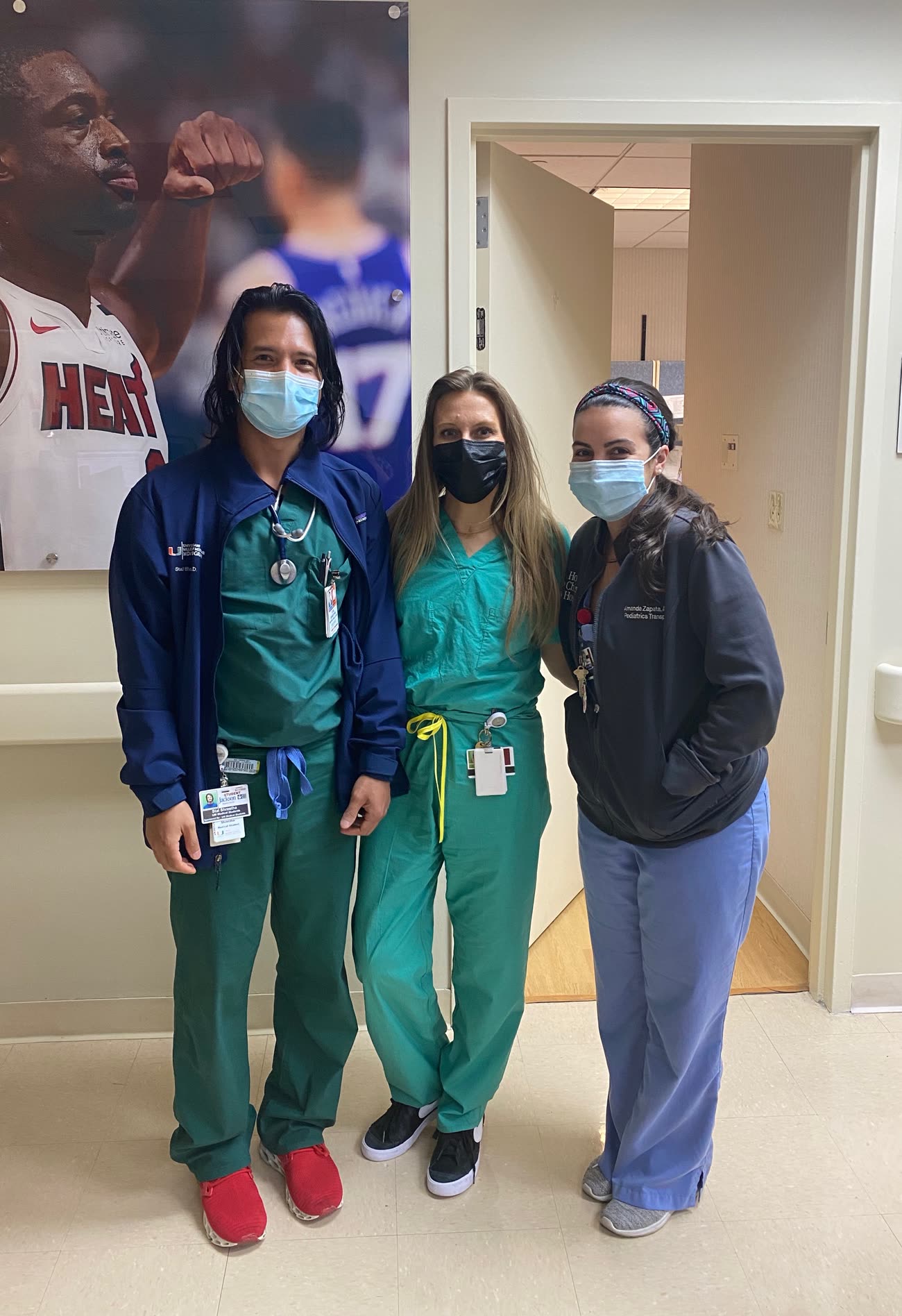
Researcher and practitioner
In hospital and clinical settings, Dr. Shrestha works around complex psychiatric and medical realities: severe PTSD, substance-use disorders, treatment-resistant depression, anxiety, trauma, and the human fallout that does not fit neatly into a paper abstract.
That practitioner knowledge matters. It keeps the science accountable to real people, real risk, and the possibility of profound positive change when care is structured, medically supervised, and honest about uncertainty.
The bridge
Psychedelic treatments are part of a longer scientific story: receptors, neural circuits, inflammation, plasticity, psychotherapy, and psychiatric outcomes.
Dr. Shrestha has added to the research base through peer-reviewed work in imaging, receptor biology, antidepressant effects, and neuroinflammation.
The goal is to help people understand addiction and depression clearly enough to pursue better mental health without getting lost in hype.
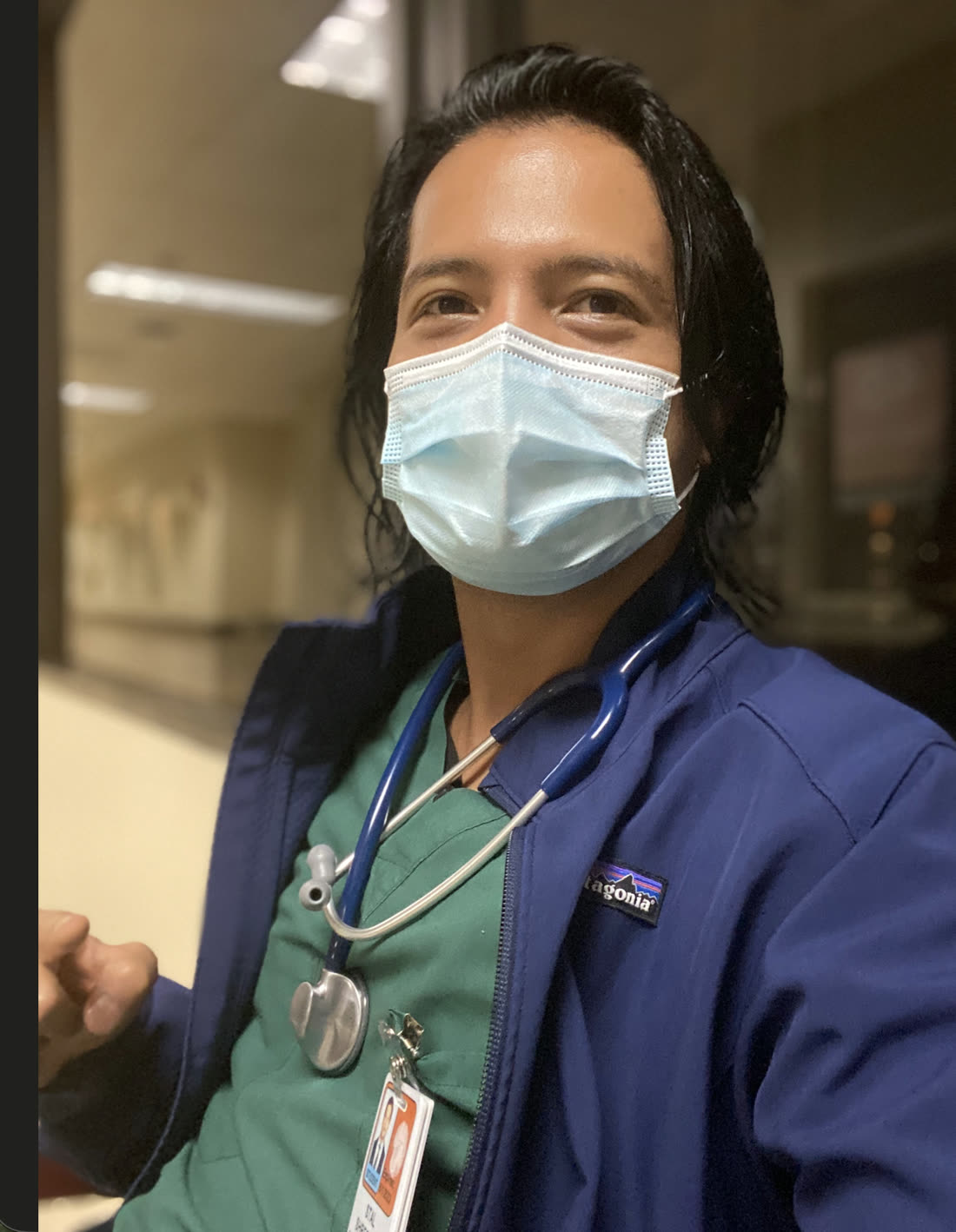

Education mission
Addiction and depression can make a person desperate for any answer that sounds new. Dr. Shrestha's education work should give people a more useful kind of hope: what is known, what is still uncertain, who may be a candidate, who may be at risk, and why supervision matters.
The aim is not to sell psychedelics. The aim is to make credible mental health information easier to understand, so more people can find their way toward care that is serious, humane, and evidence-based.
Articles and research reports
Each entry starts with a plain-language summary, explains why the work may matter to a general reader, and keeps the deeper technical context available for researchers.
Summary: This paper helps show that a PET scan can track a specific inflammation-related enzyme in living humans, not just in a lab model.
Why this matters to you: Better imaging can help doctors and scientists see inflammation more clearly, which is one step toward understanding how the body and brain may be involved in mental health.
11C-PS13 showed COX-1 selectivity and measured in vivo NSAID target blockade.
Summary: The team tested a better way to visualize engineered brain receptors, helping researchers study targeted brain circuits with more precision.
Why this matters to you: When researchers can study brain circuits more precisely, future treatments can become less guesswork and more targeted.
Rhesus macaque PET quantified transfected receptor signal, endogenous binding, and non-displaceable uptake.
Summary: This paper tests whether inflammation can be measured with PET imaging in the brain and body.
Why this matters to you: If inflammation is part of a person's illness, clinicians need ways to measure it instead of relying only on symptoms.
11C-MC1 was evaluated in LPS-induced rhesus macaque neuroinflammation and human rheumatoid arthritis imaging.
Summary: Before clinicians can image inflammation reliably, chemists need candidate tracers. This paper develops and screens those candidates.
Why this matters to you: New treatments often start with measurement. This kind of work builds the tools that may help future studies answer better questions.
COX-2 inhibitors were synthesized, triaged for potency and selectivity, and radiolabeled for PET development.
Summary: This compares tools for visualizing two inflammation-related enzymes and identifies where each tracer works best.
Why this matters to you: Not every scan answers the same question. Matching the right tool to the right biology matters before research can become useful care.
11C-PS13 showed specific uptake across organs; 11C-MC1 had limited organ-specific uptake at baseline.
Summary: This paper narrows several possible brain-imaging tracers down to a stronger candidate for measuring COX-1.
Why this matters to you: Careful selection is what separates serious medical research from vague claims. The best tools have to prove they measure what they say they measure.
Candidate radioligands were evaluated in monkey brain; 11C-PS13 showed favorable kinetics and blocking results.
Summary: This is the chemistry foundation for imaging neuroinflammation more precisely.
Why this matters to you: The visible medical breakthrough usually depends on invisible groundwork: building and testing the molecules that make better scans possible.
Seventeen triazole compounds were prepared and screened as direct-acting COX-1 PET radioligand candidates.
Summary: Ketamine is not a classic psychedelic, but this review explains why rapid-acting brain treatments became important in depression research.
Why this matters to you: For people who have not improved with standard antidepressants, rapid-acting treatments changed the conversation about what is possible and what still needs supervision.
The review summarizes NMDA receptor antagonism and downstream mechanisms proposed in ketamine's antidepressant effects.
Summary: A common genetic issue can make inflammation imaging unreliable. This tracer was tested to work more consistently across people.
Why this matters to you: People are biologically different. Good medical tools need to work across those differences, not only in ideal research conditions.
The TSPO radioligand 11C-ER176 showed adequate sensitivity across all three rs6971 affinity genotypes.
Summary: The paper improves the quality control around serotonin brain imaging, which matters for depression and anxiety research.
Why this matters to you: Depression research depends on accurate measurements. If a scan is interpreted incorrectly, it can mislead the science that future treatment decisions rely on.
CUMI-101 showed alpha-1 adrenoceptor binding in human cerebellum, complicating reference-region assumptions.
Summary: This animal study looks at a gene-related pathway that may influence anxiety-like behavior, adding another layer to mood and stress biology.
Why this matters to you: Anxiety is not only a feeling; it has biological pathways. Studies like this help researchers understand what might be happening beneath symptoms.
The study investigated Ttc9A modulation of anxiety-like behavior in female mice.
Summary: Addiction risk is shaped by biology and social context. This study links dominance behavior with cocaine-taking patterns in an animal model.
Why this matters to you: Addiction is not a simple failure of willpower. It is shaped by brain chemistry, environment, behavior, and stress.
The work examined monoaminergic neurochemistry, impulsivity, and cocaine self-administration after social-rank assessment.
Summary: The study connects serotonin biology with the ability to adapt behavior when rules change, a theme relevant to compulsive and addictive patterns.
Why this matters to you: Recovery often requires flexibility: noticing a pattern, pausing, and choosing differently. This research studies one biological piece of that capacity.
Serotonergic markers in orbitofrontal cortex and dorsal raphe nucleus predicted serial reversal-learning variation.
Summary: This asks how early antidepressant exposure may shape the developing brain over time.
Why this matters to you: Medication decisions are personal and timing matters. Research like this helps medicine ask more careful questions about long-term effects.
Juvenile fluoxetine exposure persistently upregulated serotonin transporter binding into young adulthood in rhesus monkeys.
Summary: This helps researchers interpret serotonin PET scans more cautiously and accurately.
Why this matters to you: If researchers are studying depression biology, the scan itself has to be trustworthy. This paper helps prevent overconfident conclusions.
In vitro and in vivo studies showed CUMI-101 did not behave as a simple 5-HT1A agonist tracer.
Summary: This studies why antidepressants can work differently depending on biology and life stress.
Why this matters to you: Two people can receive the same treatment and respond differently. Research like this helps explain why personalized care matters.
The work examined serotonin receptor changes after antidepressant exposure in a rat gene-environment model.
Summary: This paper studies how antidepressant exposure before birth may affect later behavior in an animal model.
Why this matters to you: Mental health treatment during pregnancy is complex. Basic research helps clinicians think carefully about benefits, risks, and timing.
The study evaluated behavioral alterations after prenatal desvenlafaxine exposure in Swiss albino mice.
Summary: Dr. Shrestha's PhD work connects serotonin, antidepressant exposure, PET imaging, and brain development.
Why this matters to you: This shows the depth of his training: the patient-facing education is backed by years of studying how brain systems change.
The dissertation examined serotonin transporter and receptor biology using in vivo PET imaging and in vitro receptor binding.
Summary: Impulsivity is one pathway into addiction and relapse. This paper maps related brain-chemistry markers in reward and control regions.
Why this matters to you: Addiction treatment has to account for impulse control and reward systems, not just motivation or advice.
Dopaminergic and GABA-ergic markers were localized in ventral striatum and prefrontal cortex in relation to impulsivity.
Summary: This review explains why measuring serotonin receptors in depression is scientifically difficult and how future PET studies can be more reliable.
Why this matters to you: Depression is not one simple chemical problem. This kind of review helps keep the science honest about what is known and what is still uncertain.
The paper reviews confounds and recommendations for PET quantification of 5-HT1A receptors in major depression.
Summary: The next chapter is translating this neuroscience background into treatments for depression, anxiety, addiction, PTSD, and trauma.
Why this matters to you: The point is not hype. It is to help people understand which emerging treatments are credible, supervised, and worth discussing with qualified clinicians.
Public profile materials describe work across neurotherapeutics, neuroplasticity, neuromodulation, and neuroinflammation.
Medical and research path
Dell Medical School at The University of Texas at Austin lists Dr. Shrestha in the psychiatry residency class of 2027.
Clinical and translational interest in psychedelic treatments for substance-use and mood disorders.
Postdoctoral and medical-scientist work in PET radioligands, neuroinflammation, and receptor biology.
Doctoral work on serotonin, antidepressants, brain development, PET imaging, and receptor binding.
Next step
Use this section for clinical inquiry routing, research collaborations, speaking requests, and educational updates once the practice details are finalized.